Coop
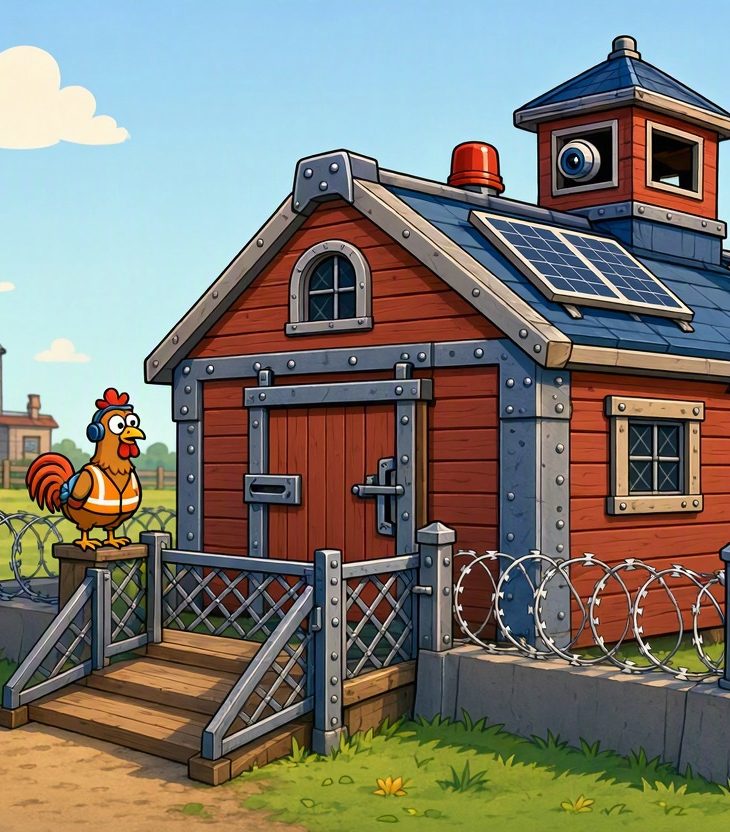
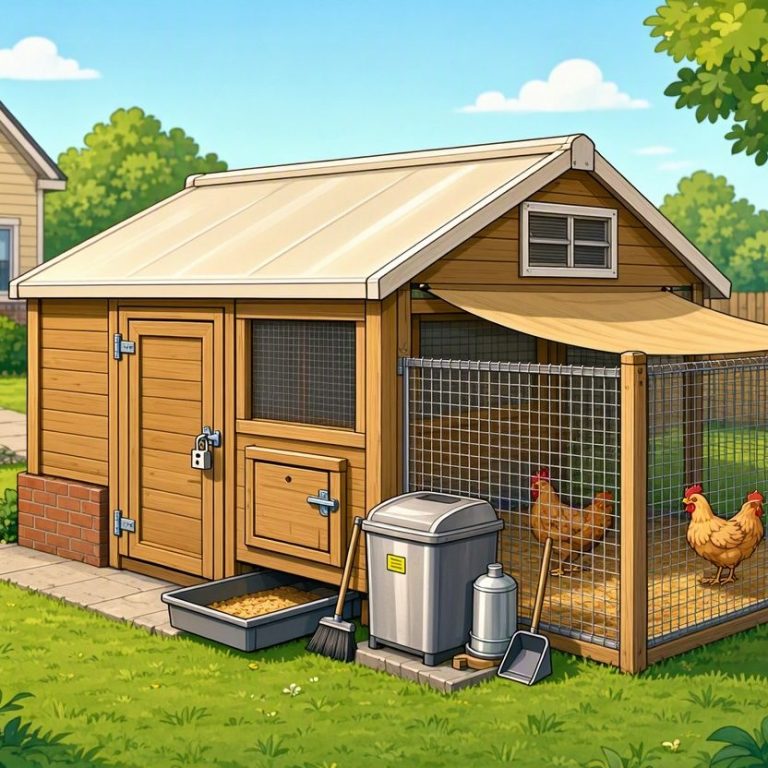
Hen house – Enclosed, secure area for shelter, roosting, and nesting.
Nesting boxes – Provide private, clean spaces for egg-laying (one box per 3–5 hens).
Chicken run – Secure outdoor area for scratching, foraging, and exercise.
Roosts – Elevated perches for sleeping, positioned above ground level.
Door – Secure, predator-proof entry/exit.
Design
Location: Balance proximity to home with odor control; avoid extreme heat in warm climates.
Security: No gaps larger than 1 inch; use strong materials and lockable doors.
Materials: Wood, brick, or durable plastic; ensure insulation and weather resistance.
Maintenance: Keep feed in metal bins to deter pests; clean regularly to prevent disease.
Chicken health
Winter: Maintain ventilation without draughts; protect from frost and predators
Summer: Provide shade, fresh water, and protection from heat stress
Parasites: Check regularly for mites or worms; treat according to vet advice
Eggs
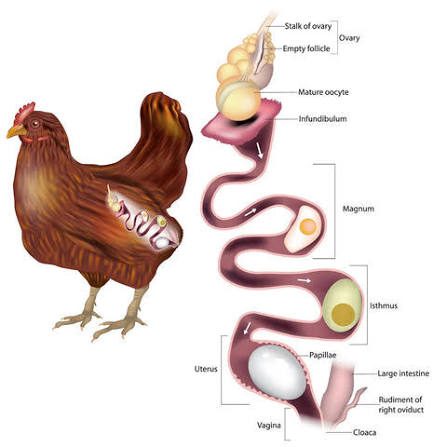
Eggs are mad like this
Eggs can get stuck
Weak eggs may be cause for concern
Care for them
Animals requir love and care, the below is from a basic search on the internet.
Housing and space
Secure shelter: Provide a coop with protection from predators (e.g., foxes) and weather RSPCA.
Space: Each hen needs at least 2 m² inside and 3 m² in an outdoor run dummies.
Cleanliness: Remove manure regularly, refresh litter, and clean waterers dummies.
Feeding and water
Balanced diet: Offer a quality poultry feed with the right protein and nutrients RSPCA.
Fresh water: Must be available at all times RSPCA.
No banned foods: Avoid kitchen waste and mealworms BBC Gardeners World Magazine.
Health and welfare
Regular checks: Monitor for signs of illness, injury, or stress RSPCA+1.
Company: Chickens are social; keep at least two hens together RSPCA.
Enrichment: Provide perches, dust‑bathing areas, and space to explore RSPCA.
Light: Chickens need about 14 hours of light daily; adjust lighting in winter if needed dummies.